
As the United States approaches its semiquincentennial (that is, half of 500 years) July 4, the McKinsey Global Institute offers a report that reads to me as a meditation on long-run US economic growth in “At 250, sustaining America’s competitive edge” (March 9, 2026). The US became the world’s largest economy in 1860, and has kept that lead since. In my reading, a major theme running through the report is the US leadership in originating and applying new technology. In that spirit, here are a few of the figures that caught my eye (but there’s much more in the report itself).
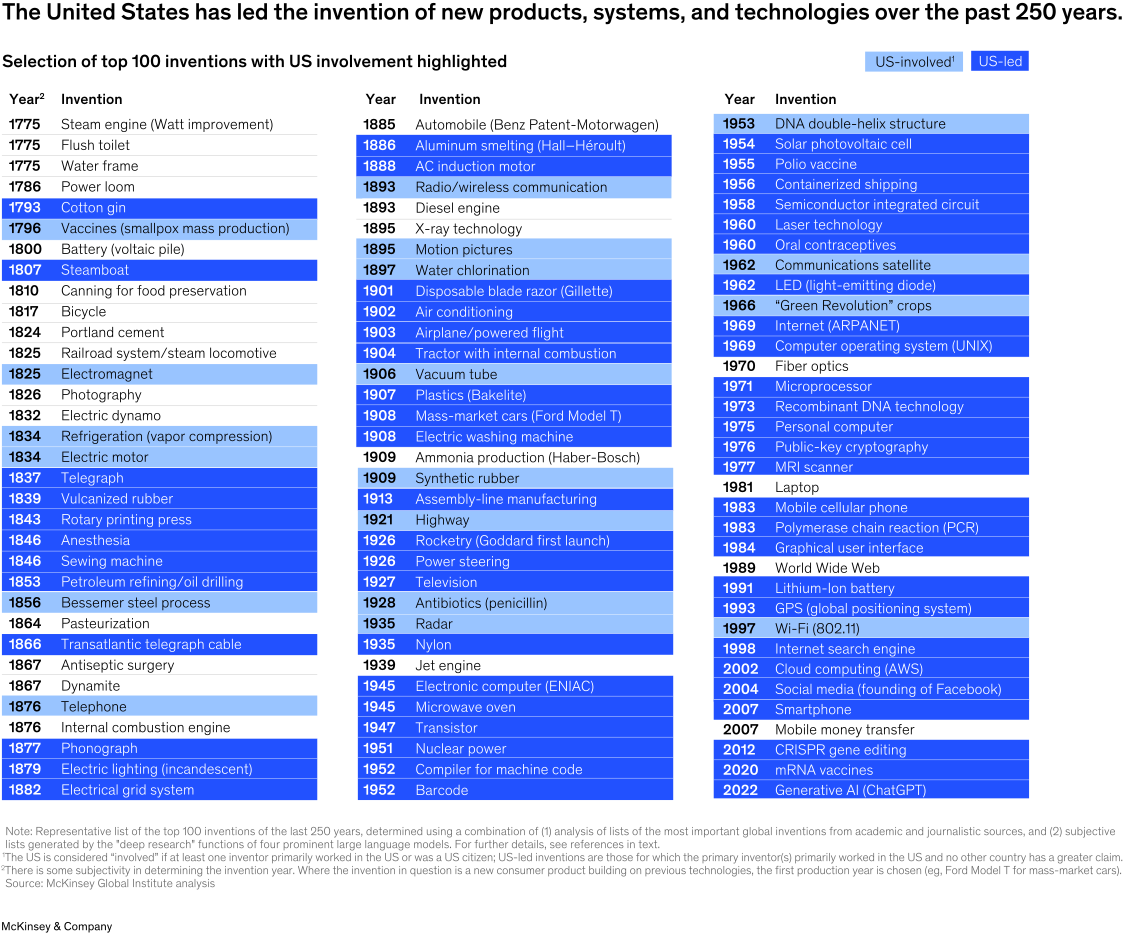
Here’s a proposed list of the top 100 technological innovations in products, systems, and technologies over the past 250 years. (I confess that I am a total sucker for mulling though lists like this.) The entries highlighted in dark blue were US-led; the entries in light blue were US-involved. In a broad sense, consider the dominance of US technological leadership since around 1900.
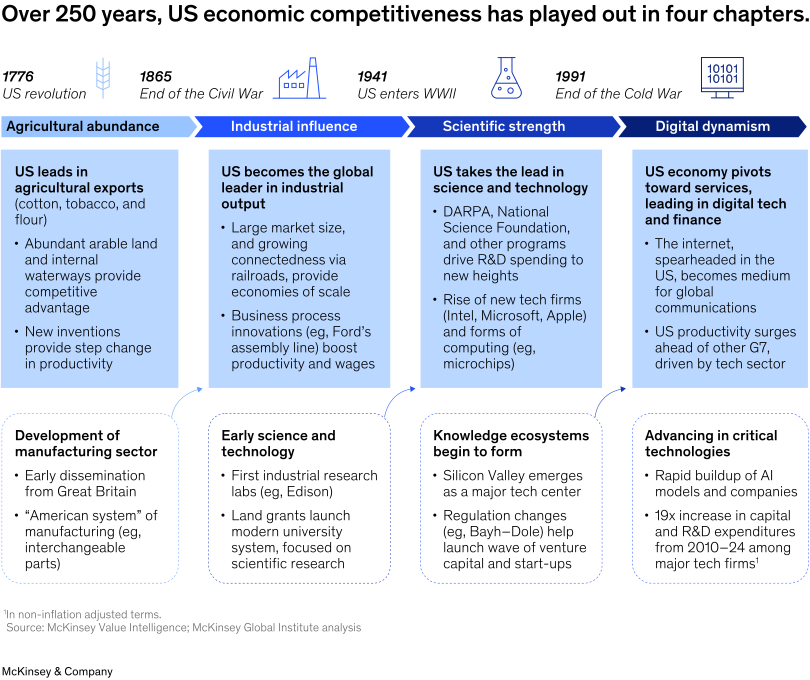
As US workers and companies used and developed these techologies for practical economic purposes, the McKinsey analysts suggest that it’s useful to think of US economic growth as proceeding through four stages of transformation. (Again, I’m a total sucker for whether these kinds of categories are the right break-points, or appropriately names, and so on, but I will leave you to your own meditations on these points and spare you my own.)
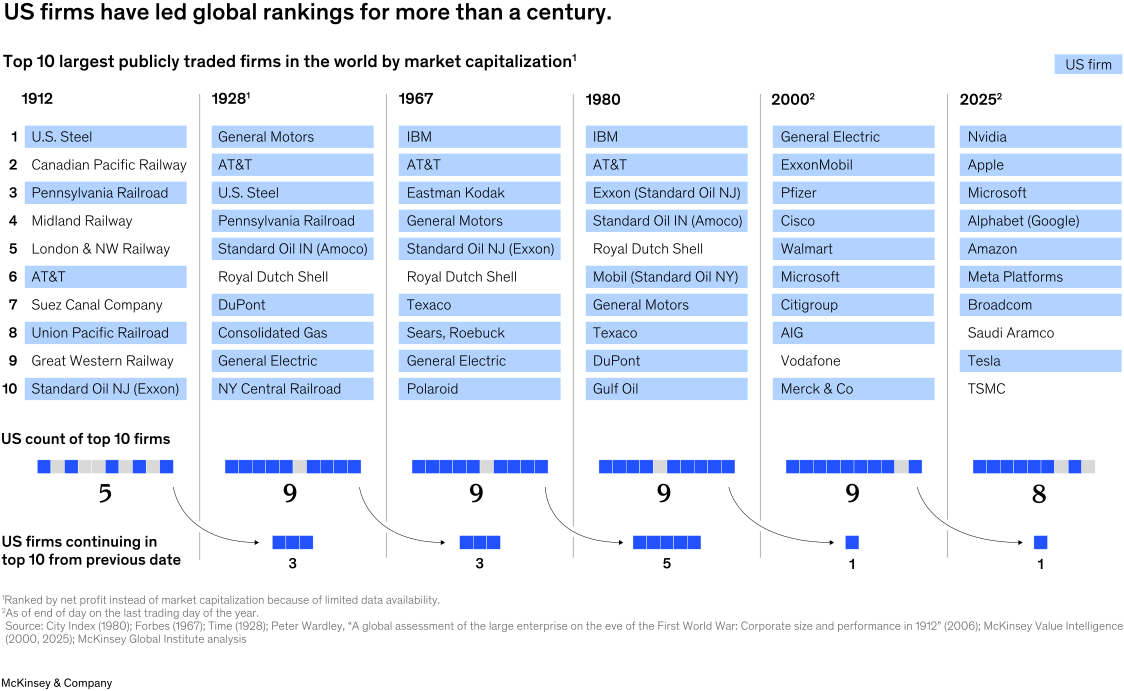
Combine this technological prowess with a legal and regulatory environment that supports a dynamic and evolving economy, along with investments in transportation and communications infrastructure, along with an enormous domestic market to sell into and (historically, although not so much at present) political support for agreements that let the US sell into international markets as wellm and one of the results is that the largest publicly traded firms in the world tend to based here in the United States. To put it another way, US citizens have the luxury of being worried about whether certain domestic firms are too successful and powerful, while people in other countries can only look on. It’s also useful to note that many of the biggest firms do turn over and evolve every few decades.
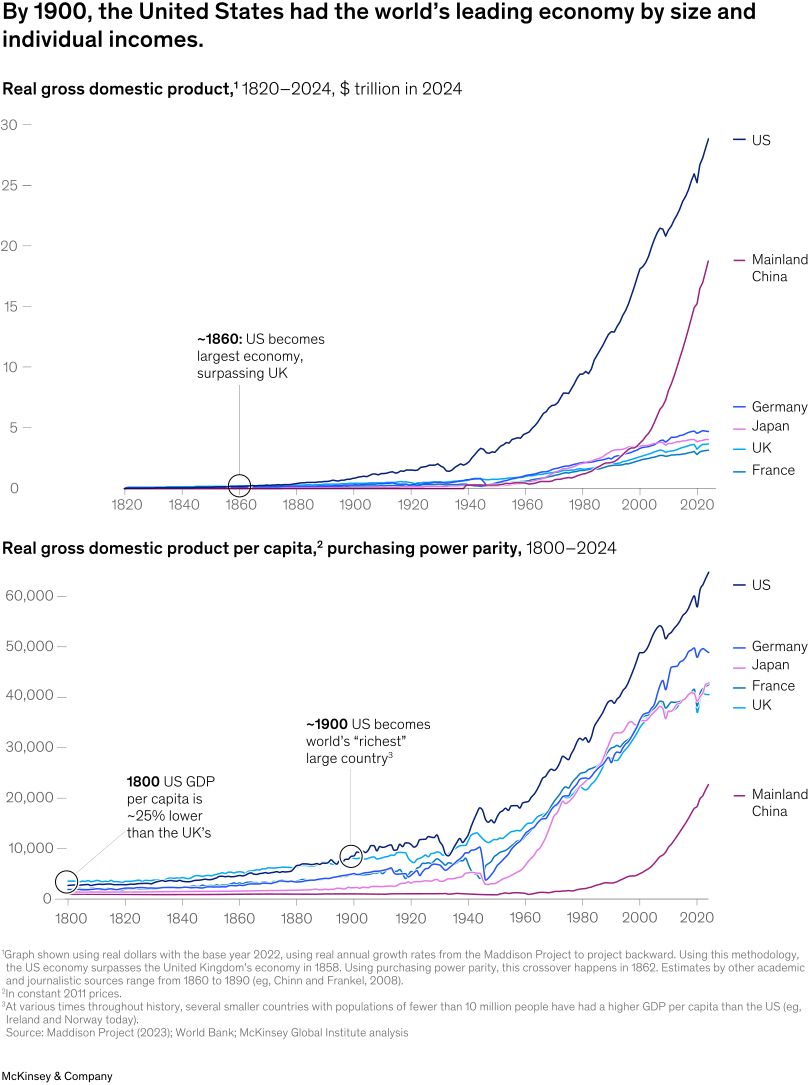
These and other factors discussed in the report (human capital, geography, investment, and others) add up to big-picture growth. The top panel shows the total size of the US economy, and points to the fact that it became the world’s largest economy in 1860. The bottom panel shows the per capita size of the US economy. Notice that when it comes to total size of an economy, China is #2. But when it comes to per capita size of an economy, China is still well behind the high-income countries of the world.
From a big picture view, the sustained growth and technologial leadership of the US economy is one of the remarkable world-historical facts of the last couple of centuries. We Americans are so close to it that we may fail to see it clearly. But now and again, in between the economic analysis and policy disputes, it’s worth a moment of wonder.
